
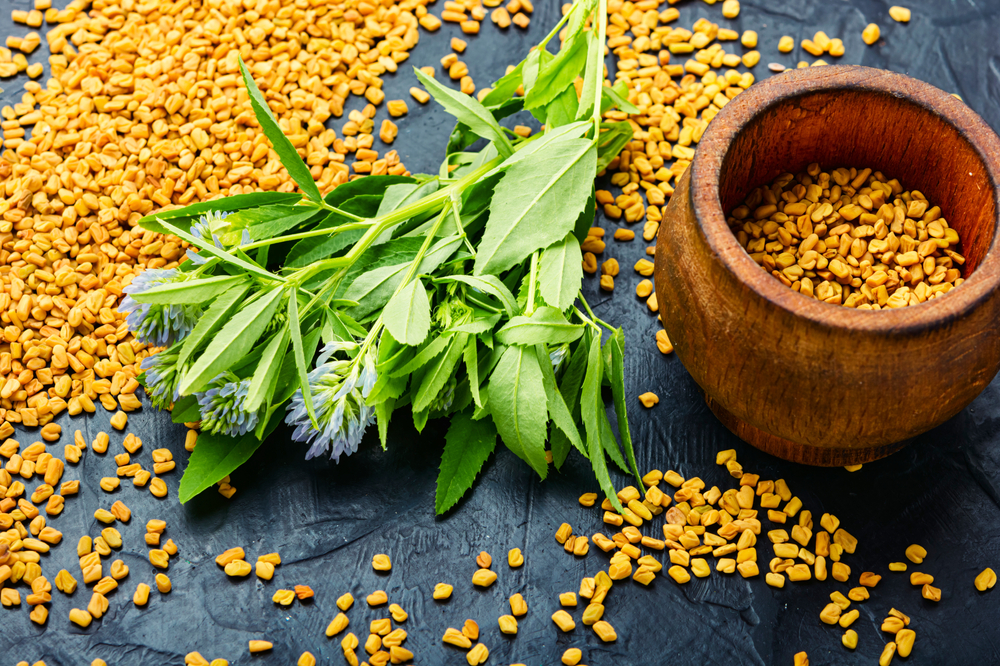
Walk into any supplement store or search “testosterone booster” online and you’ll see fenugreek everywhere—capsules, powders, blends with ripped guys on the label. The claims are bold: more testosterone, more muscle, better libido, improved energy. But how much of that is real, and how much is just marketing spin?
In this deep dive, we’ll unpack what fenugreek actually is, how it’s supposed to work, what the science says about testosterone, and whether it’s more helpful or harmful for you.
What Is Fenugreek?
Fenugreek (Trigonella foenum-graecum) is an herb traditionally used in:
- Cooking – especially in Indian, Middle Eastern, and North African cuisines (both the seeds and leaves).
- Traditional medicine – for blood sugar control, lactation support in women, digestion, and libido.
- Supplements – standardized extracts sold as test boosters, fat burners, and performance aids.
Most testosterone-focused supplements don’t use whole fenugreek seeds. Instead, they use standardized extracts (like Testofen® or other branded forms) designed to concentrate certain compounds believed to influence hormones.
How Fenugreek Is Thought to Affect Testosterone
To understand whether fenugreek can help or harm testosterone levels, it’s useful to know the proposed mechanisms. These are theories based on what’s been observed in lab and human studies—not guarantees.
1. Possible Inhibition of Testosterone Breakdown
Some compounds in fenugreek may inhibit enzymes that help convert testosterone into other substances:
- 5α-reductase, which converts testosterone into dihydrotestosterone (DHT).
- Aromatase, which converts testosterone into estradiol (a form of estrogen).
If fenugreek slightly slows these pathways, you might see:
- A modest increase in circulating testosterone, or
- Better free (bioavailable) testosterone, or
- Shifts in the balance between testosterone, DHT, and estrogen.
However, the degree of enzyme inhibition in humans at typical supplement doses is still not fully clear.
2. Effects on Sex Hormone-Binding Globulin (SHBG)
SHBG binds to testosterone in the blood, making it “unavailable” to tissues. Some research suggests fenugreek may:
- Reduce SHBG, which can increase free testosterone without dramatically changing total testosterone.
- This might explain why libido and subjective performance sometimes improve, even if the total testosterone change is modest.
3. Indirect Effects via Blood Sugar and Metabolism
Fenugreek has been studied for:
- Improving insulin sensitivity
- Modestly lowering blood sugar
- Influencing lipid profiles (cholesterol, triglycerides)
Since poor metabolic health (obesity, insulin resistance, type 2 diabetes) is associated with lower testosterone, improving metabolic markers indirectly might support healthier testosterone levels over time.
What the Research Actually Says
Let’s separate marketing claims from published data. Research on fenugreek and testosterone is still limited, but here’s what we know:
1. Studies in Men (Healthy or Exercising)
Several small human trials have looked at fenugreek extract in resistance-trained men or healthy men. Key patterns:
- Some studies show small to moderate improvements in:
- Free testosterone
- Libido and sexual function
- Perceived strength, body composition, or performance
- Many of these studies:
- Use specific branded extracts at doses like 500–600 mg/day.
- Are relatively small (dozens, not hundreds of participants).
- Sometimes have industry funding, which doesn’t automatically invalidate them but does warrant caution.
A few studies report that fenugreek:
- Helped maintain testosterone levels during intense training periods when testosterone usually drops.
- Slightly increased repetitions or strength in certain lifts compared to placebo.
However:
- Total testosterone increases are often modest and not always statistically significant.
- Effects can vary widely between individuals.
- Some trials find little or no meaningful difference.
2. Effects on Libido and Sexual Function
Even when testosterone changes are minor, some research shows:
- Improved sexual desire (libido)
- Better self-reported performance or satisfaction
- In some cases, improved “overall wellness” scores
This suggests fenugreek may have perceptible effects on how people feel—even if blood tests don’t show huge hormonal swings.
3. Studies in Women
Fenugreek is also used in women for:
- Lactation support (increasing breast milk)
- Menstrual and perimenopausal symptoms
- Libido support
Some formulations for female sexual function include fenugreek extracts, and studies show:
- Improved sexual desire and arousal in some women.
- But testosterone-focused data in women is very limited, and long-term effects on female hormone balance are not clear.
If you’re a woman, the main concern is that strong androgenic effects (like high-dose test boosters) could theoretically worsen acne, hair loss, or hirsutism—but typical fenugreek doses usually don’t produce extreme hormone shifts. Still, medical guidance is wise.
4. Animal and Mechanistic Studies
In animals, fenugreek sometimes appears to:
- Increase testosterone levels
- Improve sperm quality
- Reduce oxidative stress in testes
But animal data doesn’t always translate cleanly to humans, especially when human lifestyles and doses are very different.
Potential Benefits of Fenugreek for Testosterone
When used appropriately, fenugreek can be helpful for some people in specific ways.
1. Modest Support for Free Testosterone
Fenugreek is not comparable to:
- Prescription testosterone replacement therapy (TRT)
- Strong anabolic steroids
However, in some men it may:
- Slightly increase free or bioavailable testosterone
- Help maintain testosterone during heavy training or stress
- Support subjective improvements in energy or vigor
Think of it as a mild, supportive agent, not a hormone “switch.”
2. Libido and Sexual Well-Being
Many users report:
- Better libido
- Improved sexual satisfaction
- Increased confidence or mood, especially in the context of exercise and lifestyle changes
These effects may matter more to you than the exact testosterone number on a lab report.
3. Metabolic and Health-Related Benefits
Fenugreek has additional potential benefits:
- Mild improvement in blood sugar control
- Possible positive impact on cholesterol (lower LDL, higher HDL in some studies)
- Digestive support (fiber content)
Better overall metabolic health is strongly connected to better hormone health, including testosterone.
Potential Risks and Side Effects
Now for the “harmful” side of the question. While fenugreek is generally considered safe at typical supplement doses, it isn’t risk-free.
1. Digestive Issues
Common side effects include:
- Gas, bloating
- Diarrhea or loose stool
- Stomach discomfort
These are more common at higher doses (especially if you jump straight to a full dose without ramping up).
2. Allergic Reactions and Cross-Reactivity
Fenugreek belongs to the legume family. People with allergies to:
- Peanuts
- Chickpeas
- Soy or other legumes
may have a higher risk of allergic reactions to fenugreek, including:
- Skin rashes
- Swelling
- Breathing difficulty (rare but serious)
If you have a legume allergy, talk to a healthcare provider before trying fenugreek.
3. Blood Sugar Effects
Because fenugreek can lower blood sugar, it can be problematic if:
- You’re already on diabetes medications (like insulin, metformin, sulfonylureas, etc.).
- You are prone to hypoglycemia (low blood sugar).
Combining fenugreek with blood-sugar-lowering drugs can potentially cause dangerously low blood sugar, especially if not monitored.
4. Bleeding Risk
Some evidence suggests fenugreek may have mild blood-thinning effects, which could:
- Increase bleeding risk if you’re on anticoagulant or antiplatelet medications (e.g., warfarin, aspirin, clopidogrel).
- Complicate surgery if used right before an operation.
This is not usually a concern at normal doses for healthy people, but it matters in medical or surgical contexts.
5. Hormonal Effects in Women
For women, potential concerns include:
- Unintended hormonal shifts if taken in high doses or for long durations.
- Theoretical risk of worsening:
- Acne
- Excess hair growth (hirsutism)
- Hair thinning in androgen-sensitive individuals
However, at common supplement doses, large hormone spikes are not typical. Still, if you have PCOS, hormone-sensitive conditions, or are on hormonal treatments, proceed under medical supervision.
6. Pregnancy and Breastfeeding
Fenugreek is often used to increase milk supply in breastfeeding women. However:
- It may stimulate uterine contractions at high doses.
- During pregnancy, high-dose fenugreek is generally not recommended unless specifically supervised by a medical professional.
- During breastfeeding, though commonly used, doses, timing, and safety should still be discussed with a provider, especially if you’re taking other medications.
Who Might Benefit from Fenugreek?
Fenugreek may be potentially helpful for:
- Men with slightly low-normal testosterone who:
- Aren’t candidates for TRT.
- Want to try a mild, herbal option along with lifestyle changes.
- Understand that effects are likely modest, not dramatic.
- Active or resistance-training individuals who:
- Train hard and want small edges in recovery, libido, and well-being.
- Already have their sleep, nutrition, and training dialed in.
- People with mild metabolic issues (with medical guidance) who:
- Are looking at fenugreek primarily for blood sugar or cholesterol benefits.
- Consider testosterone support as a secondary possible benefit.
Who Should Be Cautious or Avoid It?
Consider avoiding or using fenugreek only under professional supervision if you:
- Have diabetes and take blood-sugar-lowering medication
- Use blood thinners or have a bleeding disorder
- Are pregnant (especially in the first and second trimester)
- Have a legume allergy (peanut, chickpea, etc.)
- Have hormone-sensitive conditions (certain cancers, severe PCOS, etc.)
- Are preparing for surgery (usually stopped 1–2 weeks before)
In these cases, the risk of adverse interactions may outweigh any mild hormone benefit.
Typical Dosage and How to Use It Safely
Most testosterone-related fenugreek supplements fall in these ranges:
- Standardized extract: ~300–600 mg per day
- Often divided into 1–2 doses with meals
- Cycles such as 8–12 weeks on, followed by a break, are common practice (though not strongly evidence-based, they’re used for caution).
Practical Tips for Safer Use
- Start low, go slow
- Consider starting at half the full dose for a week to gauge tolerance.
- Take with food
- This can reduce GI discomfort.
- Stay hydrated
- Fiber content and mild GI effects are easier to handle with enough water.
- Monitor how you feel
- Look at not only libido and energy, but also digestion, mood, and sleep.
- Get blood work if you’re serious about hormones
- Before and after 8–12 weeks:
- Total testosterone, free testosterone
- SHBG
- Lipid panel
- Fasting glucose / A1c if relevant
Realistic Expectations: What Fenugreek Can and Cannot Do
It helps to be brutally honest about what fenugreek is not.
Fenugreek Is NOT:
- A substitute for TRT, if you have clinically low testosterone.
- A steroid that will radically transform physique in weeks.
- A “cheat code” for ignoring the fundamentals (sleep, nutrition, stress, training).
Fenugreek MAY:
- Provide a small bump in free testosterone for some men.
- Improve libido, subjective energy, or feeling of well-being, especially when combined with good lifestyle habits.
- Support better metabolic health, which indirectly benefits hormones long-term.
For many, these modest but real gains may be worthwhile—if expectations are kept realistic.
Helpful or Harmful? A Balanced Verdict
So, is fenugreek for testosterone more helpful or harmful?Helpful, if:
- You use it as a supportive tool, not a magic solution.
- You’re generally healthy and not on high-risk medications.
- You combine it with:
- Adequate sleep (7–9 hours)
- Resistance training
- Sufficient dietary fat and protein
- Stress management
- You’re okay with subtle improvements, not transformations.
Potentially harmful, if:
- You have conditions or take medications that interact (diabetes drugs, blood thinners).
- You have allergies to related plants.
- You rely on it instead of addressing root causes of low testosterone (obesity, poor sleep, alcohol, inactivity, underlying disease).
- You take excessive doses without any medical oversight.
In other words, fenugreek is best viewed as a mild adjunct: helpful in the right context, not harmless in all situations, and definitely not a replacement for proper medical care or lifestyle changes.
If You’re Considering Fenugreek, Do This First
Before you buy a bottle, work through this quick checklist:
- Clarify your goal.
- Is it libido? Energy? Muscle? Lab numbers? Metabolic health?
- Check your basics.
- Are you sleeping enough?
- Are you lifting or doing some resistance exercise?
- Is your body weight reasonably healthy?
- Are you heavily drinking or smoking?
- Talk to a healthcare provider if:
- You’re on any medications.
- You’ve had hormonal, metabolic, or cardiovascular conditions.
- You’ve had prostate or hormone-sensitive cancers.
- Get baseline labs (if possible).
- Knowing your starting testosterone and metabolic markers makes it easier to see if fenugreek is doing anything meaningful.
- Track, don’t guess.
- Note changes in libido, energy, mood, performance, and any side effects over 8–12 weeks.
Key Takeaways
- Fenugreek can modestly support free testosterone and libido in some men, especially when combined with a healthy lifestyle.
- Total testosterone changes are often small, and effects vary widely between individuals.
- It may offer additional benefits for blood sugar and cholesterol, which indirectly support hormone health.
- Side effects are usually mild but can include digestive issues, allergic reactions, interactions with blood sugar and blood-thinning medications, and potential hormonal effects in women.
- Overall, fenugreek is more helpful than harmful for most healthy users who have realistic expectations and no contraindications—but it’s not a miracle testosterone solution.
If you’d like, tell me your age, general health status, and whether you’re on any meds, and I can help you think through whether fenugreek makes sense specifically for you—and what a smart, safe plan might look like.
Leave a Reply